
Traveling from Colca Canyon to Puno is more than just a transfer — it is one of the most scenic high-altitude journeys in southern Peru. For travelers continuing toward Lake Titicaca, this route offers dramatic Andean landscapes, remote plains, wildlife sightings, and a seamless way to connect two of Peru’s most iconic destinations.
If you are planning to explore Colca Canyon and then visit Puno, this guide explains why this route is considered one of the most beautiful in the region and how to organize it efficiently.
Why Travel from Colca Canyon to Puno?
Many travelers start their journey in Arequipa, visit Colca Canyon, and then continue to Puno to explore Lake Titicaca. Instead of returning to Arequipa and taking a separate bus, choosing a direct Colca Canyon to Puno transfer saves time and enhances your travel experience.
Benefits of this route include:
– Maximizing sightseeing time
– Avoiding backtracking
– Experiencing remote Andean landscapes
– Connecting directly to Lake Titicaca
This makes it an efficient and visually rewarding travel option.
What Makes This Route So Scenic?
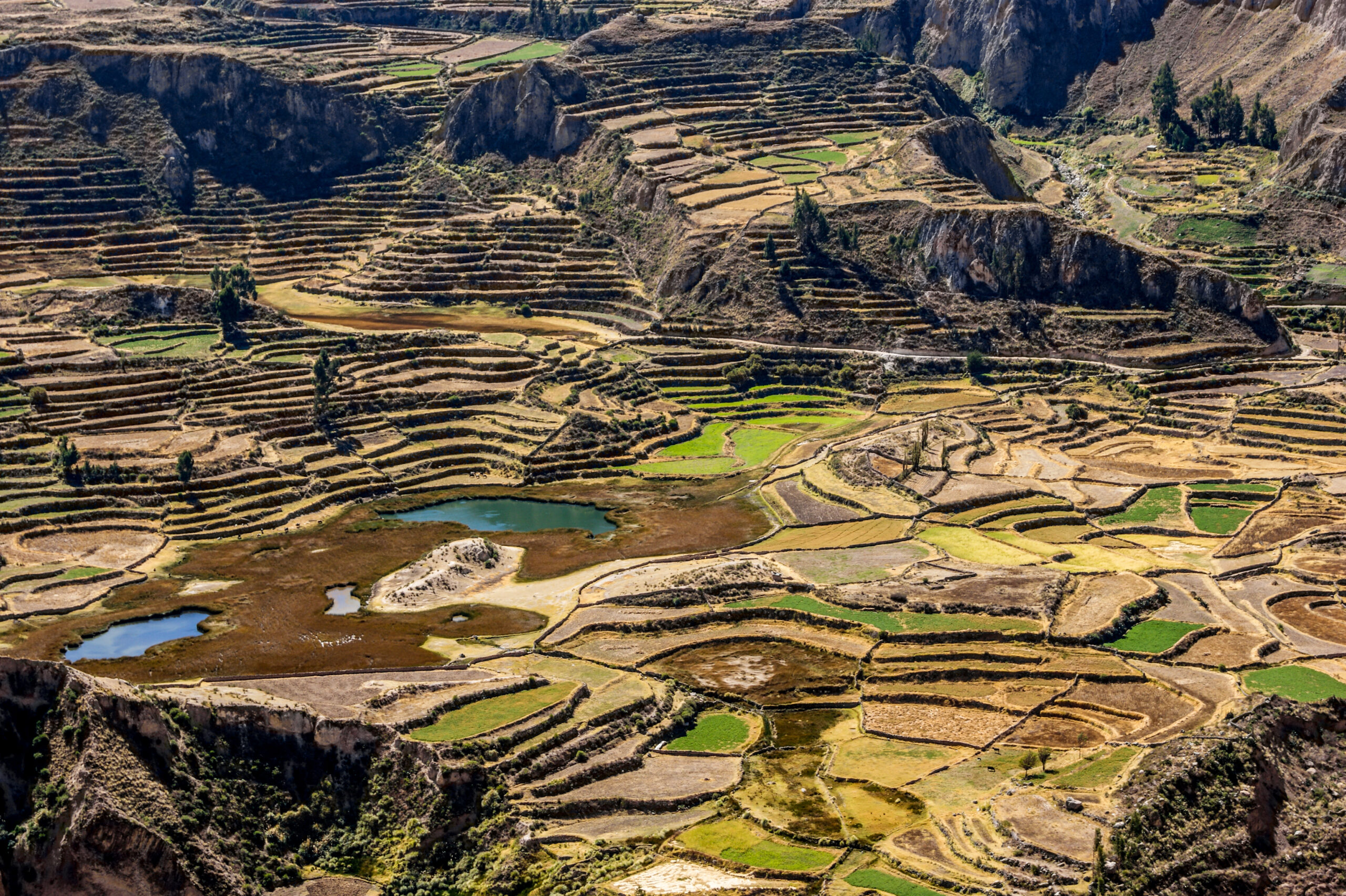
The journey from Colca Canyon to Puno crosses the Andean plateau at elevations above 4,000 meters (13,100 feet). The landscapes here are vast, open, and dramatic.
Along the way, you can expect:
– Snow-capped volcanoes in the distance
– Endless high-altitude plains
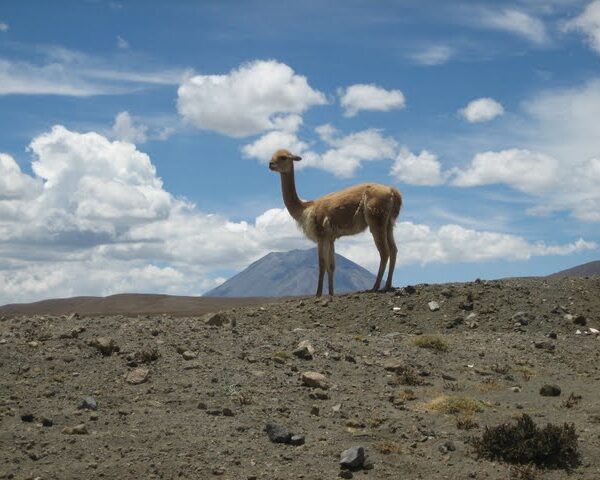
– Wild vicuñas and alpacas
– Remote Andean villages
– Brilliant blue skies during the dry season
Unlike coastal or jungle routes, this highland drive offers raw Andean beauty and a sense of peaceful isolation.
How Long Is the Journey?
The transfer from Colca Canyon (usually from Chivay) to Puno takes approximately 5 to 6 hours, depending on road conditions and stops.
When combined with a Colca Canyon full day tour, travelers typically:
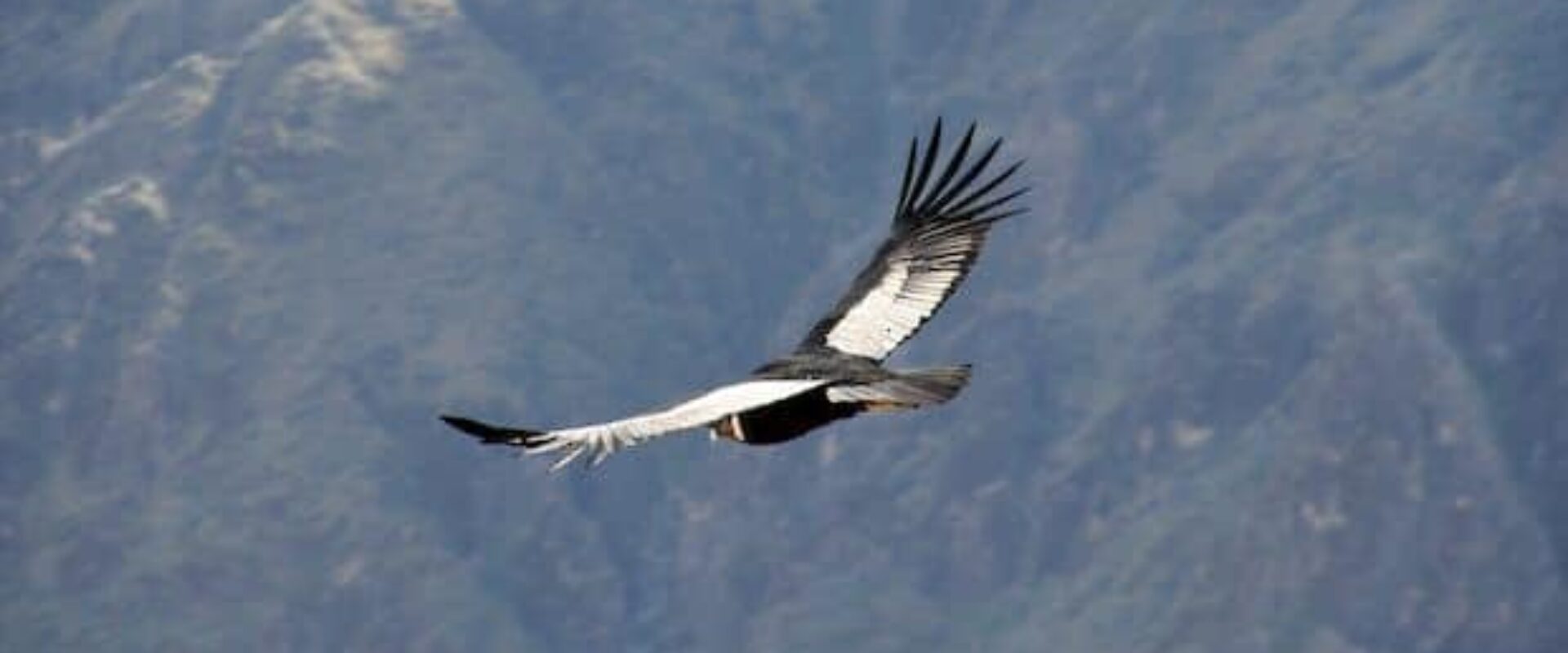
– Visit Cruz del Cóndor in the morning
– Explore the Colca Valley
– Continue toward Puno in the afternoon
– Arrive in Puno early evening
This makes it a practical same-day connection.
Is This Route Safe?
Yes. The roads between Colca Canyon and Puno are paved and regularly used by tourist transport and local buses. Booking with a professional tour operator ensures:
- Experienced high-altitude drivers
- Reliable vehicles
- Scheduled rest stops
- Comfortable travel
As with all high-altitude travel, staying hydrated and dressing in layers is recommended.
Can You See Wildlife Along the Way?
Yes. The Andean plateau is home to:
– Vicuñas
– Alpacas
– Llamas
– Andean birds
Wildlife sightings are common, especially in open plains between Colca Valley and Puno.
Best Time of Year to Travel This Route
Dry Season (April–November)
Clear skies and spectacular mountain views make this the best time for photography.
Rainy Season (December–March)
Greener landscapes but occasional cloud cover.
The dry season generally offers the most visually impressive conditions.
Who Should Choose This Option?
The Colca Canyon to Puno route is ideal for:
– Travelers with limited time
– Backpackers moving between cities
– Visitors combining Colca Canyon and Lake Titicaca
– Travelers who prefer scenic road trips
It is especially convenient for those who do not want to return to Arequipa after visiting the canyon.
Why This Is One of Southern Peru’s Best Travel Routes
This journey connects two major highlights:
– The dramatic depth of Colca Canyon
– The cultural richness of Puno and Lake Titicaca
Few routes in Peru combine volcanic landscapes, wildlife, remote villages, and high-altitude panoramas in a single day.
Instead of seeing it as a simple transfer, think of it as an extension of your Andean adventure.
Final Thoughts
Traveling from Colca Canyon to Puno is one of the most scenic and efficient routes in southern Peru. It allows you to experience the vast beauty of the Andes while smoothly transitioning from canyon landscapes to the shores of Lake Titicaca.
For travelers exploring southern Peru, this route is not just transportation — it is part of the adventure itself.

Leave a Reply